In police misconduct cases, evidence forms the foundation of accountability. Allegations alone are not enough to challenge official reports or justify compensation. Clear, well-preserved evidence can demonstrate what occurred, how force was used, and whether that force exceeded constitutional limits under the circumstances.
If you believe you were subjected to police misconduct, the available evidence and how you present it can directly affect whether a case moves forward. You need to work with an attorney experienced in police misconduct to help review the evidence and build a case that can support your potential civil rights claim.
Here, the legal team at Hill & Associates enlightens you more on evidence in a police misconduct case in Philadelphia.
SCHEDULE A FREE CONSULTATION TODAY
Key Takeaways: Key Evidence For a Strong Police Misconduct Case in Philadelphia
- Evidence is the foundation of a strong police misconduct claim, helping judges or juries understand what actually occurred.
- Police misconduct in Pennsylvania can include excessive force, unlawful searches, false arrest, harassment, falsification of evidence, and policy violations.
- Successful claims often rely on multiple types of evidence, such as treatment records, witness statements, personal documentation, visual media, and police/internal reports.
- Patterns of misconduct, demonstrated through repeated incidents or public complaint data, can support claims against the department or city.
- Immediate and thorough evidence collection is key due to the statute of limitations and fading of witness memories.
- Legal guidance ensures that evidence is preserved properly, statutory deadlines are met, and the case reflects the full impact of the officer’s actions.
- Organizing all collected evidence chronologically and systematically strengthens the presentation of your claim and facilitates attorney review.
- Promptly engage your police misconduct lawyer to protect your rights, help obtain key evidence, and maximize the outcome.
What is Police Misconduct in Pennsylvania?
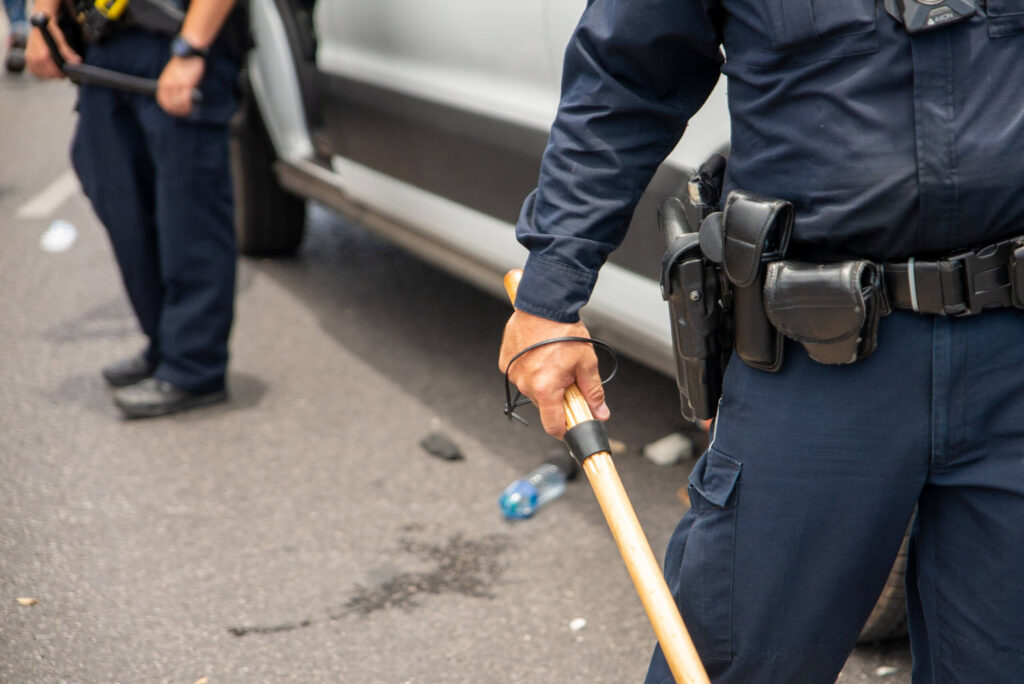
Police misconduct in Pennsylvania occurs when a law enforcement officer violates state or federal laws, constitutional rights, or department policies while performing official duties. This can include excessive use of force, unlawful searches or seizures, false arrest, harassment, or other actions that infringe on an individual’s civil rights. Misconduct is evaluated based on whether the officer’s behavior was reasonable and lawful under the circumstances. The Fourth Amendment and relevant state statutes serve as primary benchmarks.
Victims of police misconduct may pursue relief through internal investigations, civil lawsuits under 42 U.S.C. § 1983, or state-level complaints. In Pennsylvania, courts consider the context of the encounter, including the perceived threat to the officer and whether force was necessary and proportionate. Common forms of police misconduct include:
- Excessive Force: Using more physical force than necessary, including beatings, improper use of tasers or pepper spray, and deadly force when no immediate threat exists.
- Unlawful Searches and Seizures: Conducting searches without probable cause, a warrant, or a valid exception, or improperly seizing property or personal effects.
- False Arrest or Improper Detention: Detaining or arresting someone without legal justification, or holding them longer than permitted by law.
- Verbal Abuse and Harassment: Threatening, intimidating, or verbally assaulting individuals, particularly when combined with other misconduct.
- Fabrication or Falsification of Evidence: Altering reports, coercing statements, or presenting false information to justify actions or cover up misconduct.
- Neglect of Duty or Policy Violations: Failing to follow department procedures, including reporting misconduct, maintaining proper supervision, or addressing known patterns of abuse.
Each type of misconduct can support a civil rights claim under federal or state law if it results in harm. It is advisable to thoroughly document the incident to pursue accountability and compensation successfully.
Types of Evidence to Collect
In police misconduct cases, a strong claim depends on gathering a variety of supporting evidence. Each type of documentation contributes to a clearer picture of the incident, helping judges or juries understand exactly what occurred. Successful cases often combine multiple sources that reinforce one another, creating a comprehensive account of the encounter. The key evidence that can bolster your police misconduct claim in Philadelphia includes:
Medical Records and Expert Testimony
Medical records make one of the most persuasive forms of evidence in a police misconduct case because they create an objective timeline linking injuries to the incident. Emergency room records, diagnostic imaging, physician notes, and follow-up treatment files can show the severity of injuries and whether they are consistent with the amount of force used. In more challenging cases, expert testimony may explain how certain injuries occur and why they align with the force described, which can counter claims that injuries were minor or preexisting.
Witness Statements
Statements from neutral witnesses can significantly strengthen a misconduct claim by corroborating your account of what happened. Bystanders may have observed the officer’s actions, the level of resistance involved, or statements made during the encounter. When collected early, witness statements help establish an independent version of events that does not rely solely on police reports.
Personal Documentation
Personal notes, recordings, and written recollections created shortly after the incident help preserve details that fade over time. Descriptions of pain, emotional distress, physical limitations, and the sequence of events can support later testimony and show how the incident affected daily life. This form of documentation adds context that formal records may not capture and helps explain the full impact of the encounter.
Video and Photographic Evidence
Photos and videos can directly contradict official narratives by showing how force was applied and the condition of the individual involved. Body-camera footage, dash-camera recordings, surveillance video, and bystander recordings may capture the moment force was used or the events leading up to it. Even images taken after the incident, such as photos of bruising or swelling, can demonstrate the extent and progression of injuries.
Police Reports and Internal Investigation Records
Police reports and internal affairs files often shape how an incident is initially characterized, making them important to review closely. These records may include officer statements, use-of-force reports, and findings from internal investigations. Comparing these documents with independent evidence can reveal inconsistencies or omissions that support claims of misconduct.
Patterns of Misconduct
When a police misconduct claim seeks to hold the City of Philadelphia or the police department accountable, evidence of repeated behavior can become especially important. Showing a pattern of similar conduct helps support allegations that improper force was not an isolated incident, but rather the result of deficient training, supervision, or internal policies. This type of evidence can shift a case beyond individual officer conduct and toward broader institutional responsibility.
Patterns may be demonstrated through multiple complaints or prior incidents involving the same officer or unit, particularly where allegations resemble the conduct at issue. Your police misconduct lawyer can look into the publicly available data, including records released through OpenDataPhilly or the Citizens Police Oversight Commission (CPOC). When analyzed alongside case-specific evidence, these records can help establish that the department or city was aware of recurring issues and failed to take corrective action.
How to Gather Evidence of Police Misconduct
Gathering evidence is one of the most important steps you can take when pursuing a claim for police misconduct in Philadelphia. The process should begin immediately after the incident because evidence can be overwritten or deleted. Also, physical injuries can heal and become less visible, while witness memories can fade or locating witnesses may become much harder over time. Pennsylvania typically provides a two-year statute of limitations for civil rights claims. Therefore, preserving evidence as early as possible helps you with sufficient time to build the strongest possible case.
Seek Legal Assistance
Contact a civil rights or police misconduct attorney as soon as possible. Legal guidance ensures that evidence is preserved correctly and that any actions you take do not unintentionally harm a future claim. Your attorney at Hill & Associates can also advise on deadlines, rights during internal investigations, and the proper methods for obtaining documents or recordings.
Document the Incident
Record every factual detail you can remember about the encounter, including date, time, location, officer descriptions, badge numbers, vehicle numbers, and a step-by-step account of what occurred. Note verbal interactions, the type of force used, and any statements made by officers. Keeping a written or audio record immediately after the incident helps maintain accuracy and reliability.
Collect Medical Records
Obtain all medical documentation related to injuries sustained during the encounter, including hospital reports, diagnostic tests, treatment notes, and follow-up care records. Detailed records help establish a link between the officer’s actions and the resulting harm. In more complicated cases, medical expert testimony may be used to explain injury patterns consistent with excessive force.
Gather Witness Information
Identify any bystanders or other individuals who observed the incident and request their contact information. Ask them to give written or recorded statements describing what they saw. Witness accounts can complement your version of events and provide their perspective to strengthen your claim.
Secure Visual Evidence
Collect any photos or videos of injuries, the scene, or the encounter itself, including footage from body cameras, dash cameras, surveillance systems, or bystanders’ phones. Visual evidence can directly show the level of force used and the individual’s condition. Be sure to preserve all files securely and avoid public posting if pursuing legal action.
Report the Incident
Initiate a formal complaint with the police department’s internal affairs unit or other appropriate oversight agency. For state-level law enforcement, contact the CLEAR Commission or the Office of State Inspector General, and in Philadelphia, the Citizens Police Oversight Commission (CPOC) may be involved. Prompt reporting creates an official record and may be necessary to meet statutory deadlines for claims.
Organize All Collected Evidence
Maintain all documents, recordings, and communications in a structured and accessible way. Chronologically organizing evidence helps your attorney quickly assess the case and strengthens your claim. Your police misconduct lawyer can properly organize your evidence to ensure that nothing is overlooked during negotiations or litigations.
A Police Misconduct Lawyer in Pennsylvania Can Build Your Case
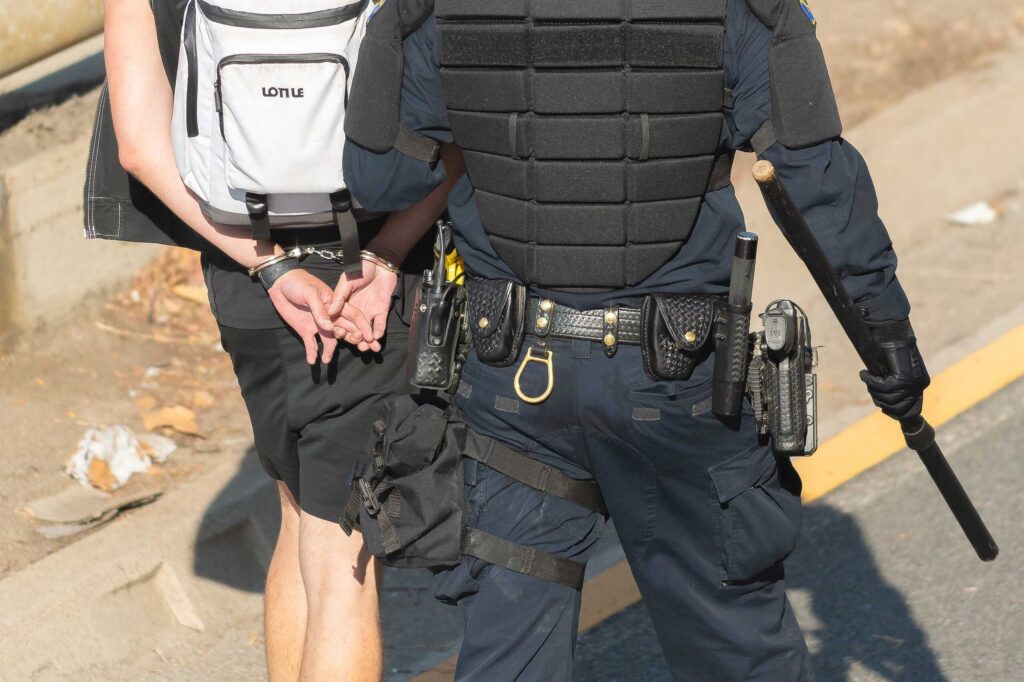
If you believe you have been a victim of police misconduct in Philadelphia, taking action quickly can safeguard your rights and preserve vital evidence. A police misconduct lawyer in Philadelphia can help review the details of your encounter, gather necessary documentation, and advise on state and federal claim options. Early legal involvement ensures that you handle your case properly, meet applicable deadlines, and preserve every relevant piece of evidence to support the strongest possible outcome.
Our trusted attorneys at Hill & Associates are focused on police misconduct cases and we are waiting to help you. Please contact us today to begin the legal process.
Frequently Asked Questions About Police Misconduct in Pennsylvania
Can I file a police misconduct claim if no physical injuries occurred?
Yes, you can file a valid police misconduct claim in Philadelphia even without any physical injuries. Physical harm is not required to pursue a civil rights lawsuit under federal law. Many common forms of police misconduct can stand on their own as long as they deprived you of a protected right. For instance, in false arrest or false imprisonment cases, Pennsylvania law and federal civil rights jurisprudence allow recovery for the emotional and dignitary harms of being unlawfully restrained or detained.
How does qualified immunity affect my police misconduct case?
Qualified immunity protects government officers from personal liability except when their actions clearly violate constitutional rights. In practice, it can make it challenging to hold individual officers accountable. However, it does not always shield the city or police department itself from liability, and strong evidence can help overcome the defense. An attorney familiar with Philadelphia cases can evaluate whether qualified immunity applies and strategize accordingly.
Do I need to file an official complaint before suing for police misconduct?
No, filing an official complaint, such as with the Citizens Police Oversight Commission (CPOC) or PPD Internal Affairs, is not required before pursuing a civil lawsuit. However, it is highly recommended as it creates an official record, may trigger an investigation, and can preserve evidence like body-worn camera footage. Note that caution is advised, not to give statements to Internal Affairs without your attorney, as anything said can be used against you later.
What if the officer denies wrongdoing or files a counter-claim?
Even if the officer disputes the allegations, documented evidence, including visual recordings, can support your version of events. Ensure that you put together your evidence and organize it properly to present it in a compelling manner. A lawyer at Hill & Associates can help prepare a response, challenge inconsistencies, and ensure that the claim remains focused on the facts rather than the officer’s narrative.
SCHEDULE A FREE CONSULTATION TODAY