Dog bites can cause serious physical injuries, lasting emotional trauma, and unexpected financial strain for victims and their families. In Philadelphia, dog attacks often result from negligent ownership, lack of proper restraints, or failure to control aggressive animals in public or private spaces.
Pennsylvania law gives dog bite victims the right to pursue compensation for their injury-related losses. However, you should understand liability rules and how state and local dog bite laws apply to your claim.
Our experienced dog bite lawyers at Hill & Associates are dedicated to supporting Philadelphia dog bite victims. We can determine who is legally responsible, and pursue fair and just compensation they deserve while focusing on recovery and peace of mind.
SCHEDULE A FREE CONSULTATION TODAY
Key Takeaways about PA Dog Bite Laws
- Pennsylvania dog bite laws allow victims to pursue compensation through strict liability for medical costs and additional damages under the one-bite rule when prior dangerous behavior is proven.
- Liability may extend beyond dog owners to caretakers, landlords, businesses, or government entities, depending on control and knowledge.
- Proving a dog bite requires medical records, witness testimony, official reports, and evidence of prior aggression.
- The amount you can sue for depends on injury severity, evidence strength, legal representation, and available insurance coverage.
- Call a dog bite lawyer to establish liability after the attack.
What Are the Dog Bite Laws in Pennsylvania
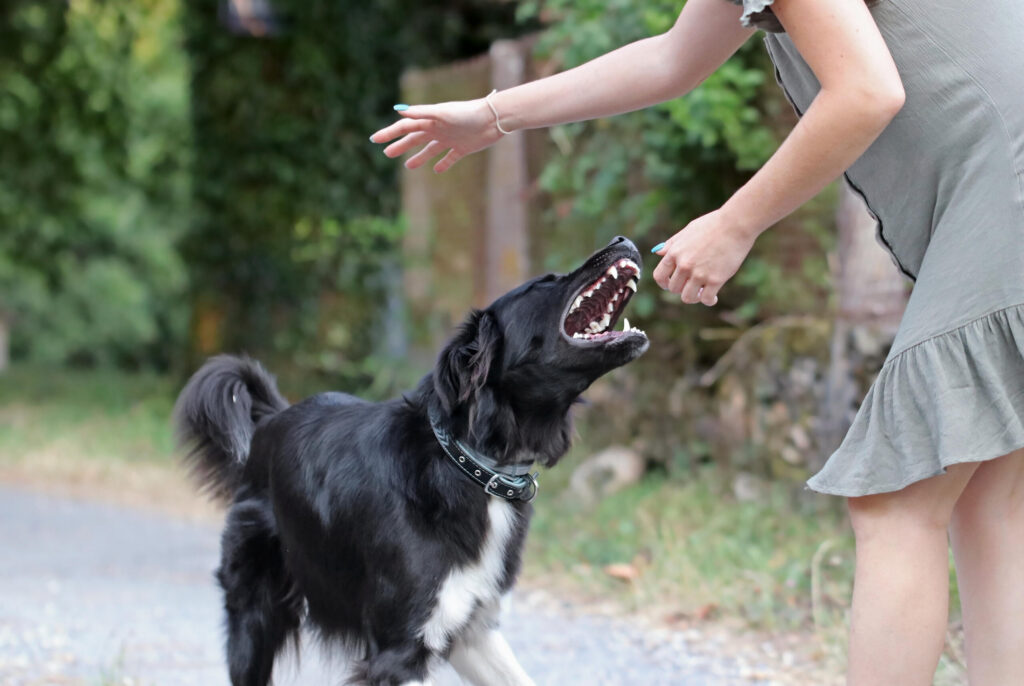
Pennsylvania has established comprehensive legal frameworks governing dog bite incidents, providing various avenues for victims to seek compensation.
Here are the dog bite laws in Pennsylvania:
Strict Liability Statute
Pennsylvania operates under a strict liability statute for dog bites, codified in 75 Pa.C.S. § 459-502. This law holds dog owners strictly liable for injury-related losses when their dog attacks a person who is acting peacefully in a place where they have a lawful right to be.
Importantly, under this statute, victims do not need to prove the owner knew the dog was dangerous or that the owner was negligent. The law automatically imposes financial responsibility, making it easier for victims to recover their healthcare costs without extensive legal battles over fault.
The One-Bite Rule
Beyond strict liability for medical expenses, Pennsylvania also recognizes the "one-bite rule" for additional damages. Under this common law principle, dog owners may be held liable for injury-related losses if the victim can prove the owner knew or should have known the dog had dangerous propensities.
This knowledge can be established through evidence of previous aggressive behavior, prior bite incidents, or the owner's awareness of the dog's vicious tendencies. Unlike strict liability, which applies automatically, the one-bite rule requires proof of the owner's knowledge, making it a more challenging but potentially more comprehensive path to compensation.
Whether you are seeking justice as a victim or navigating the immediate aftermath of an incident, our guide on what to do if a dog just bit someone provides the essential next steps for protecting everyone involved.
Dangerous Dog Designation
Pennsylvania law also includes provisions for designating certain dogs as "dangerous." Under 3 P.S. § 459-502-A, a dog may be classified as dangerous if it has attacked a human without provocation, has a history of attacking domestic animals, or has been used in the commission of a crime.
Once designated as dangerous, owners face increased responsibilities, including mandatory confinement, special registration requirements, liability insurance, and warning signage. Failure to comply with these requirements can result in criminal penalties and enhanced civil liability if the dog subsequently attacks someone.
Who Is Liable if a Dog Bites Someone
You must establish liability after a dog bite to protect your right to compensation. In Pennsylvania, liability depends on who owned, controlled, or was responsible for the dog at the time of the attack.
A dog bite lawyer helps identify all potentially liable parties and evaluates how state and local laws apply to the case.
Dog Owners
Dog owners are the most commonly liable parties in dog bite cases. Under Pennsylvania law, owners may be held responsible when their dog attacks and injures another person, particularly if the owner failed to properly restrain or control the animal.
Liability may arise when owners ignore known risks associated with their dog’s behavior or violate local leash laws.
A dog bite attorney may establish owner liability by showing:
- Prior aggressive behavior or bite history
- Failure to leash or properly confine the dog
- Violations of local animal control ordinances
- Owner's knowledge of the dog’s dangerous tendencies
They can use the above sources of evidence to demonstrate negligence and legal responsibility for the attack.
Dog Keepers and Caretakers
Individuals who are not the legal owners but were caring for or controlling the dog at the time of the bite may also be liable. This includes dog walkers, pet sitters, friends, or family members temporarily responsible for the animal.
A dog bite lawyer evaluates whether the caretaker failed to use reasonable care, mishandled the dog, or allowed unsafe interactions that led to the injury.
Landlords and Property Owners
Landlords or property owners may share liability if they knew a dangerous dog was kept on the premises and failed to take reasonable action. This may apply when the landlord had control over the property and the ability to enforce lease terms or remove a known hazard.
A dog bite attorney can review lease agreements, prior complaints, and property records to assess responsibility.
Businesses and Commercial Entities
Businesses may be liable when a dog bite occurs on commercial property or involves an animal used for business purposes, such as at pet boarding facilities, groomers, or dog-friendly establishments.
A Philadelphia dog bite lawyer can examine safety policies, staff training, and supervision practices to determine whether the business failed to protect visitors.
Government Entities
In limited cases, government entities may be liable for dog bites involving police or government-owned dogs acting outside established protocols. A dog bite attorney can guide you through filing a claim, which requires following strict procedural rules.
How to Prove a Dog Bite You
Establishing negligence or liability requires gathering and presenting strong evidence that demonstrates the dog owner or caretaker failed to exercise reasonable care. A dog bite lawyer can use the following sources of evidence to fault in the dog bite:
Medical Records and Treatment Documentation
Medical records provide proof of the injuries sustained in a dog bite and the treatment required. A dog bite lawyer uses these records to show the severity and nature of the injuries, linking them directly to the attack.
They can use documentation from emergency care, surgeries, or ongoing treatment that supports claims for medical expenses and demonstrates the impact of negligence on your health.
Photographs and Video Evidence
Photographs of the injuries, bite marks, or accident scene can visually demonstrate the extent of the harm and conditions that led to the attack. A dog bite attorney may also obtain surveillance footage from nearby cameras or businesses to capture the moment of the bite or show the dog roaming unsupervised.
Witness Statements
Eyewitness testimony can corroborate your account of the attack and provide an objective perspective. A dog bite lawyer identifies, interviews, and preserves statements from witnesses to strengthen the claim.
A dog bite attorney can collaborate with these witnesses to prove the attack:
- Bystanders who saw the attack occur
- Neighbors or passersby familiar with the dog’s behavior
- Family members or friends present during the incident
They can also evaluate their credibility and consistency to reinforce the narrative of negligence.
Police or Animal Control Reports
Reports from law enforcement or animal control officers provide an official record of the incident. A dog bite attorney uses these reports to document the dog’s involvement, note any citations or violations, and support legal claims against the owner or caretaker.
Prior Complaints or Bite History
Evidence that the dog has previously bitten or exhibited aggressive behavior can demonstrate that the owner knew, or should have known, of the danger. A dog bite attorney can collect veterinary records, prior incident reports, and neighbor complaints to establish the foreseeability of the harm.
Physical Evidence
Physical evidence from the scene or the dog itself can be used to support claims of negligence. A dog bite lawyer ensures proper documentation and preservation of such evidence.
Examples of physical evidence include:
- Clothing or shoes damaged during the attack
- Fencing, gates, or restraints that were defective or unsecured
- Blood or saliva samples linking the dog to the bite
They can use the evidence to demonstrate how the attack occurred and that the dog’s owner failed to take reasonable precautions.
Expert Testimony
Experts such as veterinarians or animal behaviorists can explain the dog’s aggression, the mechanics of the bite, and whether proper precautions were neglected. A dog bite attorney can prepare these experts to present testimony that clearly links the owner’s actions or inactions to the injury.
Digital Evidence
Digital evidence, such as photos, videos, or social media posts, can show the dog’s temperament, roaming behavior, or prior aggressive incidents. A dog bite attorney can use subpoenas and forensic tools to collect and interpret digital evidence to strengthen the negligence claim.
How Much Can I Sue for a Dog Bite
There is no standard value you can sue after suffering harm in a dog attack. The value depends on the facts and circumstances of the attack. Some of the factors that influence how much you can sue include:
Severity of Injury
The severity of a dog bite is one of the most influential factors in determining how much you can sue for damages. Minor bites that require limited medical treatment typically result in lower compensation.
In contrast, severe injuries such as deep lacerations, nerve damage, or infections deserve higher settlement values. More serious injuries deserve higher settlement values because they involve extensive medical care, surgical intervention, rehabilitation, and long-term pain.
Availability of Evidence
Strong, well-documented evidence directly affects the value of a dog bite claim. Medical records, photographs of injuries, witness statements, animal control reports, and prior complaints about the dog can all help establish liability and damages.
The clearer the connection between the dog owner’s negligence and your injuries, the more leverage you have to demand higher compensation and withstand insurance company challenges.
Legal Representation
Experienced legal representation often makes a measurable difference in how much a dog bite victim can sue for and ultimately recover. A dog bite lawyer can enhance the value of your claim by:
- Accurately calculating current and future medical expenses
- Documenting non-economic damages such as pain, trauma, and scarring
- Gathering and preserving evidence before it is lost
- Identifying all liable parties and applicable insurance policies
- Negotiating aggressively with insurance adjusters
- Preparing the case for trial to increase settlement pressure
Insurance Coverage of the Negligent Party
The amount you can sue is also influenced by the available insurance coverage. Many dog bite claims are paid through homeowners’ or renters’ insurance policies, which have coverage limits. While damages may exceed policy limits in severe cases, available insurance often sets practical boundaries on recovery unless the dog owner has substantial personal assets.
While understanding your legal rights is essential, prevention is always the best defense; check out our guide on how to prevent dog bites and attacks to help keep yourself and your neighbors safe in Philadelphia's public spaces.
Get Legal Support After a Philadelphia Dog Attack
You’re likely to experience a worsening quality of life after being injured in a dog attack. For example, you may experience severe anxiety around dogs, develop a lasting fear of going outdoors, or avoid public spaces altogether due to emotional trauma from the incident.
Our dog bite lawyers at Hill & Associates have a proven track record representing injured victims and their families. You can, therefore, count on us to fight for your right to compensation after the attack.
Contact our dog bite lawyers for a free consultation.
Frequently Asked Questions: Dog Bites and Liability in Pennsylvania
How do I Claim Compensation for an Injury?
To claim compensation for a dog bite injury, seek immediate medical care, report the incident, and speak to a dog bite attorney. An experienced lawyer can handle your claim, negotiate with insurance companies, and work to secure fair compensation.
How Much Does a Dog Bite Attorney Charge?
Most dog bite attorneys work on a contingency fee basis, meaning you pay no upfront costs. The lawyer only collects a percentage of your settlement or verdict, and you owe nothing if your claim is unsuccessful.
Why Is My Case Going to Trial?
A dog bite case may go to trial if liability is disputed, damages are undervalued, or the insurance company refuses a fair settlement. A lawsuit provides a fair opportunity for a judge or jury to determine fault and compensation.