Nursing homes are meant to provide safety, medical care, and daily support for elderly or vulnerable residents. Unfortunately, abuse and neglect can occur, leaving residents at risk of physical harm, emotional damage, or worsening health conditions. But how do you recognize the early signs of mistreatment to protect your loved ones and ensure they receive the care they deserve?
Basically, you need to observe changes in behavior, physical condition, or interactions with staff to get important clues that something is wrong. If you can capture the indicators of abuse or neglect early, legal guidance can help you pursue justice. Hill & Associates can help evaluate suspected cases and advise on the best steps to safeguard residents’ rights and well-being.
SCHEDULE A FREE CONSULTATION TODAY
Key Takeaways: Recognizing Signs of Nursing Home Abuse
- Nursing home abuse involves many forms, including physical harm, emotional mistreatment, financial exploitation, and sexual abuse, among others.
- Look out for signs like changes in a resident’s behavior, physical condition, emotional state, or finances that may signal abuse or neglect.
- Frequent visits, careful observation, and consistent documentation are key to identifying patterns that suggest mistreatment or substandard care.
- Ensure medical evaluation, preserve records, and report concerns to appropriate authorities to help protect the resident and preserve information needed for accountability.
- Seek timely legal support from a nursing home abuse lawyer to help you access facility-controlled records, evaluate violations of care standards, and help protect a loved one’s rights and well-being.
Common Signs That Your Loved One May Be a Victim of Nursing Home Abuse
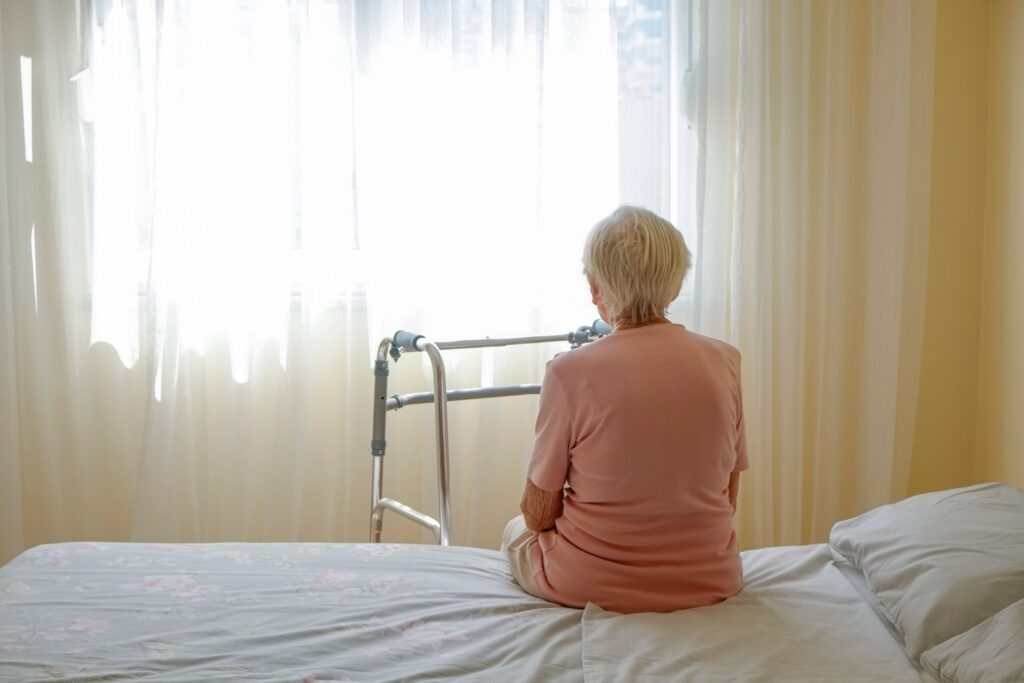
Nursing home abuse and neglect are prevalent issues affecting vulnerable elderly residents. Abuse can take many forms, and early detection is crucial to protect your loved one. Unfortunately, residents may not report issues due to fear, confusion, or dependence on staff. Family members should visit frequently and observe closely if you notice suspicious patterns. Below are some of the most common forms of nursing home abuse and negligence:
Physical Abuse
Physical abuse in a nursing home facility is the intentional use of force to cause pain or impair a resident. This type of abuse may be inflicted by staff members, caregivers, or even other residents when supervision is lacking. Common signs include:
- Unexplained bruises, welts, cuts, fractures, sprains, or burns, especially in patterns like restraint marks on wrists or ankles
- Broken bones, black eyes, or injuries in various stages of healing
- Sudden unexplained falls or frequent injuries
- Fear of staff or flinching when touched
- Broken eyeglasses or other damaged personal items
- Withdrawal from activities or sudden changes in mobility
- Frequent trips to the emergency room
Emotional Abuse
Emotional abuse of a resident occurs when they are subjected to verbal threats, humiliation, intimidation, isolation, or other conduct that causes psychological distress. Although it does not leave visible marks, the impact can be just as harmful as physical harm. Warning signs may include:
- Sudden withdrawal from activities or family
- Agitation, anxiety, or fear around specific staff/residents
- Repetitive behaviors indicating trauma
- Depression, hopelessness, or suicidal ideation
- Behavioral shifts such as aggression or passivity
- Insomnia, excessive sleeping, or nightmares
- Reluctance to speak near caregivers
- Low self-esteem or self-deprecating talk
- Imposed isolation or restricted calls and visits
- Reports of belittling, mocking, or threats
- Emotional outbursts or unexplained crying
- Loss of interest in hobbies and activities
- Exacerbated confusion from gaslighting
Financial Exploitation
Financial exploitation is basically about the improper use of a resident’s money, property, or assets without consent or through deception. This form of abuse often targets residents with cognitive impairments or limited oversight from family members. Signs to watch out for include:
- Unexplained bank withdrawals and transfers
- Sudden changes to wills, powers of attorney, or documents
- Missing valuables, jewelry, cash, or belongings
- Unusual credit card charges or bills for unprovided services
- Forged signatures on checks/legal papers
- Inability to afford necessities despite prior stability
- Overly involved friends or caregivers in finances
- Unpaid bills causing shutoffs/threats
- Unauthorized property transfers
- Staff requests for loans and gifts
- New joint accounts or suspicious banking changes
- Exploitation via scams such as fake investments or charities
Sexual Abuse
Sexual abuse occurring in a nursing home involves a non-consensual sexual contact or exploitation, including unwanted touching, sexual assault, or coercion. Residents suffering physical or cognitive limitations are more vulnerable to this form of abuse. Signs indicating the possibility of sexual abuse include:
- Bruises or scratches around breasts, genitals, thighs, or private areas
- Unexplained STIs, genital discharge, or bleeding
- Torn, stained, or bloody underclothing
- Pain and discomfort when sitting or walking
- Sudden fear and anxiety around certain staff or other residents
- Increased irritability, crying, or emotional outbursts
- Withdrawal, depression, or PTSD symptoms indicating uncomfortable flashbacks
- Reluctance to be alone with caregivers
- Changes in sleep or nightmares
- Inappropriate sexual behaviors that are out of character
Neglect and Abandonment
Neglect entails a nursing home failing to provide necessary care, supervision, or assistance with daily living activities. This is one of the most common forms of nursing home negligence and often results from understaffing or poor training. Indicators of neglect and abandonment include:
- Malnutrition accompanied by drastic weight loss, dry mouth, or sunken eyes
- Untreated bedsores, infections, or medical conditions
- Poor hygiene, including dirty body or clothing, and matted hair
- An unsanitary environment, such as soiled bedding
- Untreated pain or chronic issues
- Frequent preventable hospitalizations
- Isolation or lack of emotional/social support
- Emotional signs such as withdrawal or depression from unmet needs
- Desertion without care and supervision for extended periods
Healthcare Fraud
Healthcare fraud in nursing home facilities involves billing for unnecessary services or those never provided at all. It may also include providing substandard care while charging for comprehensive treatment. This misconduct may not be immediately visible to residents, but can directly affect the quality of care they receive. Possible signs to watch out for include:
- Billing for services/therapy not received or medically unnecessary
- Charges for therapies or medical services not reflected in the medical records
- Inflated therapy minutes or group sessions billed as individual
- Falsified documentation, such as fake signatures, records of services to sleeping or sedated residents
- Unnecessary procedures or over-treatment causing harm
- Personal expenses included in facility cost reports
- Patterns of recurrent preventable conditions despite billed care
- Sudden changes in resident health not matching billed services
Over time, this may result in worsening health conditions due to inadequate or delayed care. If any signs appear, consider consulting with Hill & Associates to protect your loved one and hold the facility accountable.
What to Do If You Suspect Nursing Home Abuse
If you suspect that a loved one may be suffering abuse or neglect in a nursing home, timely action can help protect the resident and preserve important information. Nursing homes control many of the records and daily care decisions, which means delays can make it harder to determine what occurred and why. Therefore, you need to take the necessary steps to reduce further harm and support accountability if legal action becomes necessary.
Here are the steps to take:
Ensure Immediate Safety
If you believe your loved one is facing an immediate threat, such as serious injury, active abuse, or life-threatening neglect, protecting their safety must come first. Contact emergency services right away so authorities can intervene and prevent further abuse. Law enforcement involvement is appropriate when there is reason to believe a crime has occurred or when the resident is in danger.
You should also request an urgent medical evaluation, either at the facility or through an outside hospital or physician, if possible. A prompt medical assessment ensures the resident receives necessary treatment, and it creates independent medical documentation of injuries or conditions. Also, ask for copies of medical records and ensure injuries are properly noted, as these records can later help clarify when and how the harm occurred.
Document Everything Thoroughly
As soon as concerns arise, begin gathering and organizing information related to the suspected abuse or neglect. Take dated photographs or videos of visible injuries, unsafe living conditions, pressure sores, or signs of poor hygiene. Visual documentation can be powerful because it captures conditions that may later be corrected or concealed.
Keep detailed written notes describing what you observe, including dates, times, locations, staff members involved, and any explanations provided by the facility. You should also record changes in behavior, mood, physical condition, or cognitive function. If financial exploitation is a concern, track bank statements, billing records, or unexplained withdrawals that may suggest misuse of funds.
Speak With Facility Staff If It Is Safe to Do So
When appropriate and safe, raise your concerns with nursing home management, such as the administrator or director of nursing. Communicating concerns in writing can help create a record of when the facility was notified and how it responded. Ask for explanations regarding injuries, care gaps, or changes in your loved one’s condition, and inquire about the facility’s internal review process.
If staff responses are vague, dismissive, or contradictory, this may signal deeper issues. In situations where the suspected abuse involves management or where speaking up can place the resident at further risk, it may be better to bypass internal discussions and proceed directly with external reporting.
Report the Abuse to Appropriate Authorities
Reporting suspected nursing home abuse creates an official record and can trigger investigations that protect your loved one and other residents. In the United States, several agencies handle these reports depending on the nature of the allegations.
For example, Adult Protective Services investigates abuse or neglect involving vulnerable adults, including those living in long-term care facilities. You may also contact the State Long-Term Care Ombudsman, whose role is to advocate for residents’ rights and address complaints against nursing homes. Additionally, state health departments or licensing agencies oversee facility compliance and can conduct inspections or impose penalties for violations.
For physical or sexual abuse, theft, or other criminal acts, reporting directly to local law enforcement may be appropriate. Many reporting systems allow confidentiality, and federal law requires facilities to report some serious incidents promptly.
Seek Professional Support and Legal Guidance
After ensuring safety and reporting concerns, professional guidance can help clarify your options. A physician can assess the resident’s condition and provide medical opinions that may be important if care failures are suspected. Outside medical input can also help determine whether injuries align with proper care or suggest neglect.
Consulting a Pennsylvania nursing home abuse attorney can further protect your loved one’s interests. A skilled injury lawyer at Hill & Associates can help secure records controlled by the facility, review whether care standards were violated, and advise on civil claims for damages. Early legal involvement also helps preserve evidence and ensures that deadlines and reporting requirements are met, while the focus remains on the resident’s well-being.
Safeguard the Rights of Your Loved One Now
If you notice any signs of abuse, this is the first key step to protecting your loved one’s health, safety, and dignity. Therefore, you do not want to downplay any warning signs, even if they seem minor or are explained away as part of aging or illness. Engage with a Pennsylvania nursing home abuse attorney at Hill & Associates to explain your options, preserve evidence, and determine whether the facility can bear responsibility.
Reach out to your attorney now to secure a free case evaluation.
Frequently Asked Questions About Recognizing Signs of Nursing Home Abuse
Do I need proof before reporting suspected nursing home abuse?
You do not need concrete proof to report suspected nursing home abuse because reasonable suspicion is sufficient. Once reported, the relevant agency will investigate by assessing the resident’s condition and reviewing the relevant records. Your lawyer can then help pursue civil legal action for compensation for the resulting injuries and losses.
Can nursing home abuse occur even if there are no visible injuries?
In many cases, nursing home abuse occurs without visible injuries. For example, in cases involving emotional abuse, neglect, financial exploitation, and medication manipulation, there are no immediate physical marks, but they still cause serious harm. You can look out for behavioral changes that may signal abuse that requires investigation and supporting documentation.
What if my loved one cannot communicate or has a cognitive impairment?
You can still pursue a nursing abuse claim even if a resident cannot communicate due to dementia or disability. In such a case, the investigation will rely heavily on medical records, staff logs, video footage, injury patterns, and expert opinions to demonstrate what the resident can not report themselves. Courts regularly rely on circumstantial and documentary evidence in these cases, which your attorney can help in preparing and presenting