Distracted driving remains one of the leading causes of truck accidents in Pennsylvania. A lapse in attention can result in devastating collisions. Victims of these crashes endure severe injuries, long-term medical costs, reduced quality of life, and emotional trauma.
Injured victims have the right to pursue compensation for these damages. However, they must prove the negligent party’s distraction and how their actions contributed to the accident and injuries.
At Hill & Associates, our experienced truck accident attorneys are dedicated to protecting the rights of injured victims. We investigate the crash, gather evidence, work with experts, and build a strong compensation claim against the negligent party.
SCHEDULE A FREE CONSULTATION TODAY
Distracted Driving Truck Accidents Key Takeaways
- Distracted driving involves activities that divert attention from driving, including texting, eating, or adjusting controls, creating serious risks for truck accidents.
- There are multiple types of distracted driving: visual, manual, cognitive, combination, and environmental distractions.
- Proving a distracted truck crash requires evidence such as cell phone records, ELD data, camera footage, eyewitness testimony, police reports, company records, and expert analysis.
- Liability can fall on the truck driver, trucking company, vehicle manufacturers, maintenance providers, or shippers, depending on negligence and employment responsibility.
- The value of a truck accident claim depends on injury severity, evidence strength, legal representation, shared liability, and available insurance coverage.
- Call a truck accident attorney for legal support during the compensation claim.
What Is the Definition of Distracted Driving
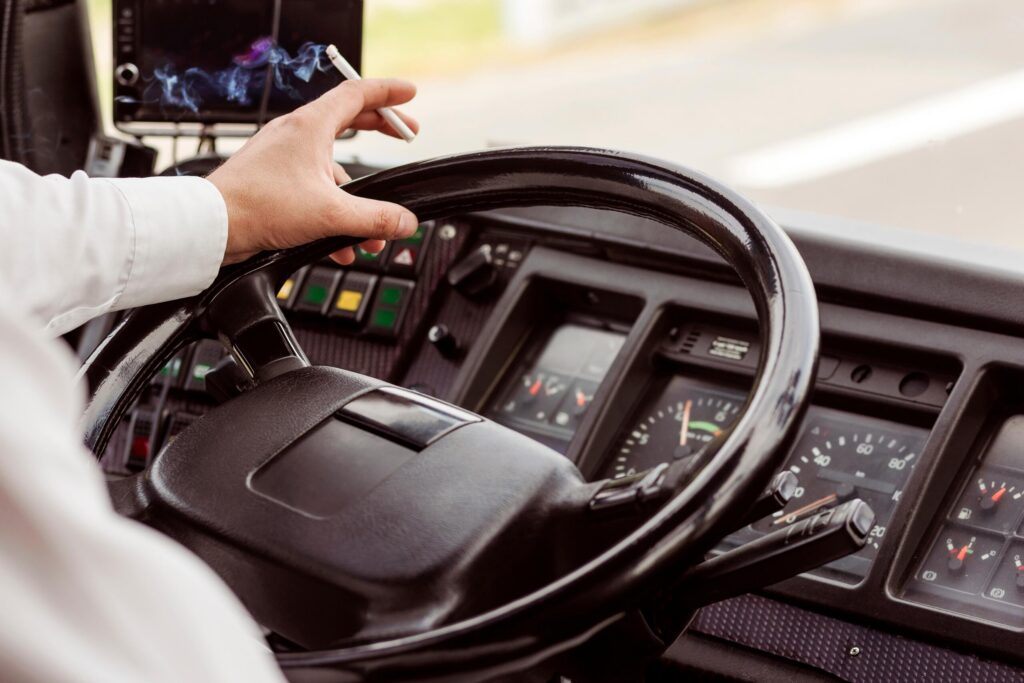
Distracted driving involves any activity that diverts attention from operating a vehicle safely, including texting, eating, or adjusting controls. For truck drivers, distractions are particularly dangerous given their vehicle's size and stopping distance.
Pennsylvania's Vehicle Code Section 3316 prohibits texting while driving for all motorists, including commercial truck drivers. Federal Motor Carrier Safety Administration (FMCSA) regulations further restrict handheld device use by truckers.
These violations can establish negligence in truck accident cases, supporting injury claims when distraction causes crashes.
How Many Types of Distracted Driving Are There
Understanding the different types can help victims determine liability and establish negligence in a crash. Distracted driving is generally divided into three primary categories: visual, manual, and cognitive distractions, with each type posing unique risks on the road.
Visual Distractions
Visual distractions occur when a driver takes their eyes off the road. Common examples include:
- Looking at a mobile phone or GPS device
- Reading maps or delivery instructions
- Checking in-vehicle controls or mirrors excessively
Even a few seconds of visual distraction at highway speeds can result in catastrophic collisions, particularly involving large trucks that require more distance to stop.
Manual Distractions
Manual distractions involve taking a driver’s hands off the wheel. These include:
- Texting or dialing on a phone
- Eating or drinking while driving
- Adjusting in-cab equipment or cargo
Manual distractions reduce the driver’s ability to maintain full control of the truck, increasing the risk of swerving, delayed braking, and collisions with other vehicles or obstacles.
Cognitive Distractions
Cognitive distractions occur when a driver’s mind is not fully focused on driving. This can include:
- Daydreaming or mental fatigue
- Talking to passengers or on a hands-free phone
- Stress or emotional distress
Even when a driver’s eyes and hands remain on the road, cognitive distractions can impair reaction time, judgment, and decision-making, contributing significantly to accidents.
Combination Distractions
In many cases, distractions overlap. For example, texting while driving involves visual, manual, and cognitive distractions simultaneously. This combination makes it particularly dangerous and is a common factor in severe truck collisions.
Environmental Distractions
Environmental distractions come from sources outside the vehicle, such as:
- Roadside advertisements or billboards
- Traffic congestion or construction zones
- Other drivers’ erratic behavior
While not always attributable to negligence, environmental distractions can contribute to crashes when the truck driver fails to respond appropriately.
How to Prove a Distracted Driving Truck Crash
Proving that a truck driver was distracted at the time of a crash requires compelling evidence that demonstrates negligence. A skilled truck accident attorney knows how to gather and present multiple forms of evidence to build a strong case.
Here are different types of evidence a truck accident lawyer can use to establish fault in distracted driving truck accidents.
Cell Phone Records
A truck accident lawyer can subpoena the truck driver's cell phone records to reveal calls, texts, or app usage at the time of the collision. They can compare timestamps with the accident report to prove the driver was using their phone when they should have been focused on the road, a violation of Pennsylvania law and federal regulations.
Electronic Logging Device (ELD) Data
Commercial trucks are equipped with ELDs that record driving hours, speed, braking, and other operational data. A truck accident lawyer can analyze this information to identify sudden braking, swerving, or speed inconsistencies that suggest the driver was distracted and failed to notice traffic conditions or hazards ahead.
Onboard Camera Footage
Many trucking companies install dashcams and driver-facing cameras in their vehicles. This footage can capture drivers texting, eating, reaching for objects, or looking away from the road. A truck accident attorney can use this visual evidence to demonstrate distraction and prove the driver breached their duty of care.
Eyewitness Testimony
Witnesses who observed the truck driver's behavior before or during the crash provide valuable accounts. A truck accident lawyer can interview witnesses who may have seen the driver looking down at a device, drifting between lanes, or failing to brake appropriately, corroborating claims of distracted driving.
Police Reports and Citations
Official accident reports often include the investigating officer's observations and any citations issued. A police officer can make a note of distracted driving or cite the trucker for violations like texting while driving.
A truck accident lawyer can use a crash report as authoritative evidence of negligence and regulatory violations.
Trucking Company Records
A truck accident attorney can request employment files, training records, and company policies regarding distracted driving. A truck accident attorney can use these records if they show inadequate training, failure to enforce anti-distraction policies, or a history of similar violations.
Black Box Data
Similar to airplane flight recorders, truck event data recorders capture pre-crash information, including speed, brake application, engine performance, and driver inputs. A truck accident lawyer can work with accident reconstruction experts to analyze this data, identifying patterns consistent with distracted driving, such as delayed reaction times.
Surveillance and Traffic Camera Footage
Nearby businesses, traffic signals, and highway cameras may have captured the accident. A truck accident attorney can secure this footage before it's deleted or recorded over. Video evidence showing the truck's erratic movement or the driver's failure to respond to changing conditions strengthens negligence claims.
Expert Accident Reconstruction
A truck accident lawyer can retain accident reconstruction specialists who analyze physical evidence, vehicle damage, skid marks, and all available data to recreate the crash sequence. These experts can demonstrate how distraction caused delayed reactions, improper braking, or failure to maintain lane position, providing scientific support for negligence claims.
Who Is Liable in a Distracted Truck Accident
Here are the parties who may be liable in a distracted truck accident:
The Truck Driver
The truck driver is typically the primary party considered responsible in a distracted driving crash. Their actions behind the wheel directly affect the safety of other motorists, passengers, and pedestrians.
A truck driver can be held liable if their distraction caused the accident and resulting injuries.
Liability may arise if the driver:
- Was texting, calling, or using a mobile device while driving
- Ate, drank, or engaged in other manual distractions
- Was mentally preoccupied, fatigued, or under emotional stress
- Failed to maintain control of the truck due to distraction
- Ignored road signs, traffic signals, or lane markings
- Operated the truck aggressively or recklessly while distracted
A truck accident lawyer can investigate to demonstrate the driver’s distraction, including reviewing cell phone records, vehicle telematics, witness statements, and surveillance footage.
The Trucking Company
In many distracted truck accidents, the trucking company can also be liable for the resulting injury-related losses. Their liability may arise under the legal doctrine of respondeat superior, which holds employers responsible for the negligent actions of their employees performed within the scope of employment.
Additionally, companies may be directly liable if their policies or practices contributed to the crash.
The trucking company’s liability may arise if it:
- Failed to properly hire, train, or supervise the driver
- Encouraged unrealistic delivery schedules or imposed time pressures
- Ignored violations of hours-of-service regulations or fatigue management rules
- Failed to implement or enforce safe driving policies
- Neglected regular maintenance of the truck, leading to mechanical failure
A truck accident attorney can pursue compensation from the truck company to enhance the compensation pool because the truck company's financial resources are often greater than an individual driver’s.
Other Potentially Liable Parties
In some distracted truck accidents, additional parties may also share liability, including:
- Vehicle manufacturers, if a defect in the truck or equipment contributed to the crash
- Third-party maintenance companies, if improper servicing caused a mechanical issue
- Shippers or logistics companies, if scheduling or cargo loading practices pressured the driver to speed or multitask
How Much Is My Truck Accident Worth

Determining the value of a truck accident claim involves multiple interconnected factors. While every case is unique, these key elements can help estimate the potential value of your claim.
Here are the factors that influence the value of a truck accident claim:
Severity of Injury
The extent and permanence of your injuries have an impact on your claim's value. Catastrophic injuries requiring extensive medical treatment, long-term rehabilitation, or resulting in permanent disability typically warrant substantially higher compensation than minor injuries.
Severe injuries affect your ability to work, enjoy life, and require ongoing care, which is why they warrant higher settlement values.
Availability of Evidence
Evidence is the foundation of all legal claims. Therefore, strong evidence directly correlates with claim value. Clear documentation through medical records, accident scene photos, witness statements, and truck data logs strengthens your position during negotiations.
Compelling evidence proving the truck driver's negligence makes insurers more likely to offer fair settlements rather than risk unfavorable jury verdicts.
Legal Representation
Representation from an experienced truck accident lawyer can lead to a positive outcome in your claim. A truck accident attorney understands how to accurately assess damages, negotiate effectively with insurance companies, and present compelling cases.
Shared Liability
Pennsylvania follows shared liability rules. If you're found partially at fault, your compensation reduces proportionally. For instance, being deemed partially responsible for the accident will decrease your recovery accordingly. However, as long as you're less than fifty-one percent at fault, you can still recover damages.
Insurance Coverage of the Negligent Party
The insurer of the negligent party is the source of compensation for injured victims. Commercial trucks typically carry substantial insurance policies due to federal requirements. However, coverage limits still cap potential recovery.
A truck accident lawyer can explore compensation from other parties, such as the driver, trucking company, and maintenance providers, to maximize your recovery.
Get Legal Support After a Distracted Driving Truck Crash
You’re likely to experience a reduced quality of life after being injured in a truck accident caused by someone else’s negligence. You should, therefore, work with a legal professional who can prove these losses and other damages you deserve.
Our truck accident attorneys at Hill & Associates have a proven track record of obtaining favorable settlements on behalf of injured victims. You can, therefore, count on us to handle the legal aspects of your crash as you focus on recovery.
Contact our truck accident lawyers for a free consultation
FAQs: Proving Liability in a PA Distracted Driver Truck Accident
Do I Need a Lawyer for an Accident?
Yes, a truck accident lawyer can evaluate the merits of your case. They can manage legal deadlines, handle filings, negotiate with insurers, and provide courtroom representation.
Their experience and knowledge increase your chances of fair compensation after an accident.
What are the Questions to Ask an Accident Attorney?
When hiring a truck accident attorney, ask about their experience with commercial truck cases, success in proving liability, and approach to evidence gathering. Also, inquire how they handle insurers, estimated timelines, fees, and how they will maximize compensation for your injuries.
When Should I Call an Accident Lawyer?
Contact a truck accident lawyer immediately after a distracted driving crash. Early legal representation preserves supportive evidence like phone records and truck data. They can also protect you against insurance companies that may downplay your losses.