
ES
BLOG

Dangers Motorcycle Riders Face
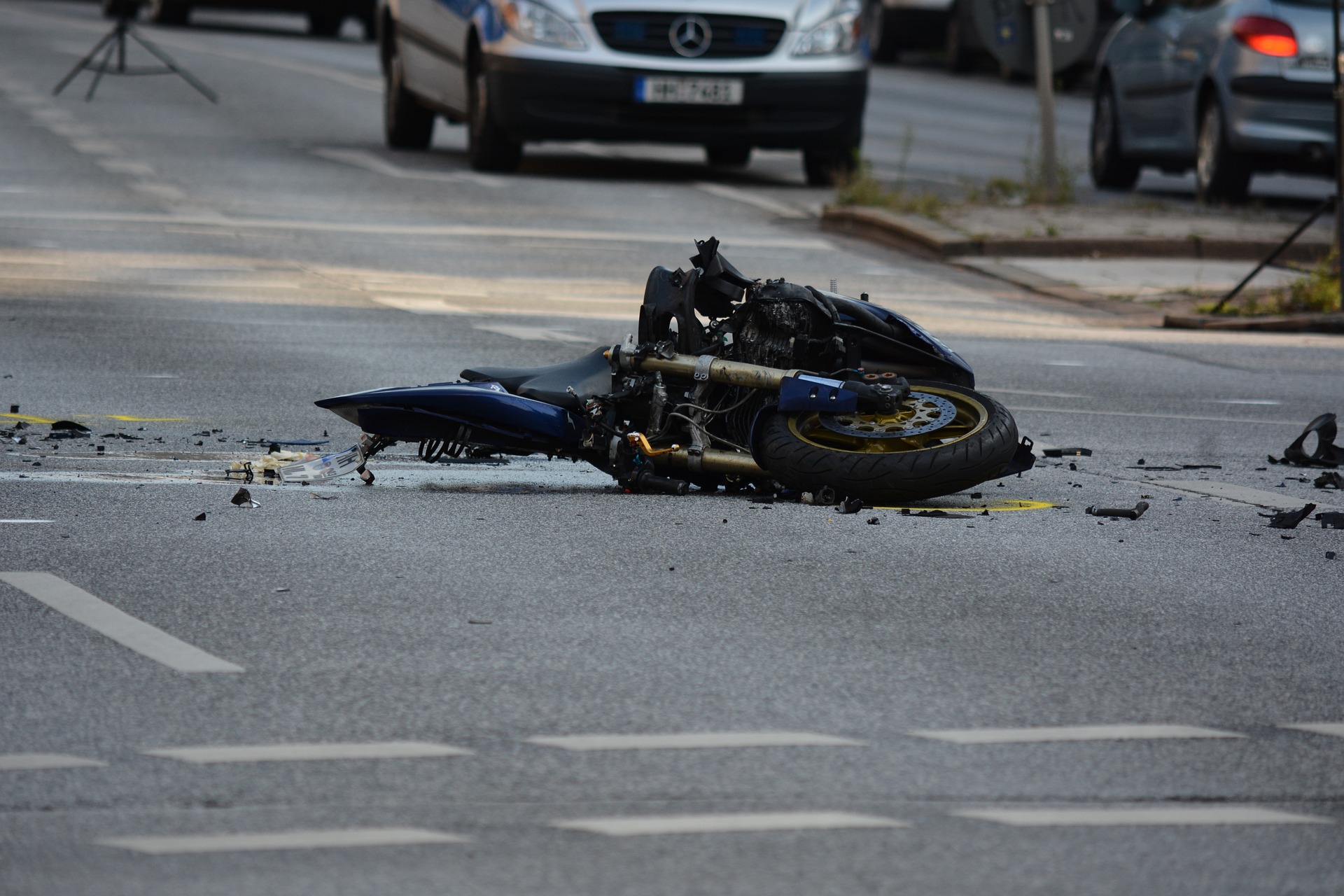
The freedom of the open road is a powerful draw for motorcycle riders. However, this freedom comes with a disproportionate level of risk. Per vehicle mile traveled, motorcyclists are about 28 times more likely than people in passenger cars to die in a crash.

The dangers motorcycle riders face go far beyond the initial impact of a collision. They frequently encounter complicated insurance claims, unfair biases against riders, and a legal system that may be difficult to manage while recovering from serious injuries. 

If you have questions about your accident and what to do next, call Leonard Hill – Personal Injury Lawyers And Car Accident Lawyers for a straightforward conversation about your situation at (215) 567-7600.

Why Are Motorcyclists So Vulnerable on the Road?

In a recent year, there were 6,335 motorcycle fatalities in the U.S. These riders accounted for 15% of all traffic deaths, even though motorcycles make up only a small fraction of the vehicles on the road. The chances of a fatality are significantly higher for riders compared to the occupants of enclosed vehicles.

The Physics of a Motorcycle Crash

  • Lack of Physical Protection: A car has a steel frame, airbags, seatbelts, and bumpers designed to absorb and redirect the force of an impact. A motorcycle offers virtually no barrier between the rider and the pavement, another vehicle, or a fixed object. The rider’s body absorbs the full force of the crash.
  • Instability: Motorcycles are inherently less stable than four-wheeled vehicles. Road hazards like potholes, loose gravel, oil slicks, or uneven pavement that a car might easily handle could be catastrophic for a rider, leading to a sudden loss of control.

The Invisibility Factor: “I Just Didn’t See Him”

One of the most common refrains heard from drivers after a collision with a motorcycle is that they never saw the rider. This “invisibility” is a major danger for motorcycle riders.

  • Profile Size: Motorcycles have a much smaller and narrower profile than cars or trucks. This makes them harder for other drivers to spot, especially in their blind spots, at busy intersections, or during nighttime hours.
  • Driver Inattention: Many drivers of passenger vehicles are not actively scanning their environment for motorcycles. This phenomenon, sometimes called “inattentional blindness,” is a leading cause of collisions. It is particularly prevalent in left-turn accidents, where a car turns directly into the path of an oncoming motorcycle it failed to register.

What Are the Most Common Causes of Motorcycle Accidents?

Actions by Other Drivers

  • Unsafe Lane Changes: Drivers who fail to perform a thorough check of their mirrors and blind spots before merging or changing lanes force a rider out of their path or directly into a collision.
  • Left-Turn Accidents: A car making a left turn at an intersection may misjudge the motorcycle’s approaching speed or simply fail to see it at all, violating the rider’s right-of-way and causing a devastating impact.
  • Rear-End Collisions: While being rear-ended is dangerous in any vehicle, for a motorcyclist, it is life-altering. The impact may throw the rider from the bike and into the flow of traffic, exposing them to secondary impacts.

Rider-Related Factors

Certain behaviors increase a rider’s risk profile on the road.

    • Speeding: In a recent year, speeding was a factor in 35% of fatal motorcycle crashes. Higher speeds dramatically reduce the time a rider has to react to a sudden hazard and increase the severity of the forces involved in a crash.
    • Alcohol Impairment: Alcohol was a factor in 26% of fatal motorcycle crashes in a recent year. Operating a motorcycle requires a high degree of coordination, balance, and judgment, all of which are significantly degraded by alcohol. Federal and state laws prohibit operating a motorcycle with a blood alcohol concentration (BAC) of 0.08% or higher.

Environmental and Road Hazards

  • Poor Road Maintenance: Potholes, crumbling pavement, unmarked bumps, and debris on the road surface could destabilize a motorcycle and lead to a loss of control.
  • Defective Motorcycle Parts: A sudden mechanical failure, such as faulty brakes, a tire blowout, or a defective frame, may cause a crash even when the rider is operating safely. In these situations, a product liability claim might be pursued against the manufacturer or seller of the defective part.

What Kinds of Injuries Do Riders Suffer, and What Are the Long-Term Consequences?

The Physical Toll

    • Traumatic Brain Injuries (TBIs): Even when a rider is wearing a helmet, the violent jolt of an impact causes the brain to strike the inside of the skull, leading to a TBI. These injuries often result in cognitive impairment, memory loss, personality changes, and other permanent disabilities. In states without universal helmet laws, 55% of fatally injured riders in a recent year were not wearing one.
    • Spinal Cord Injuries: Damage to the spinal cord is another catastrophic danger motorcycle riders face. These injuries may lead to partial or complete paralysis, forever changing a person’s ability to live independently.
    • Road Rash: This term sounds minor, but it describes a severe skin abrasion caused by sliding across asphalt at high speed. Deep cases of road rash could destroy multiple layers of skin, require painful skin grafts, and result in permanent scarring and a high risk of infection.
    • Fractures: Broken bones are extremely common in motorcycle accidents, particularly fractures of the legs, arms, ribs, and pelvis. These injuries require multiple surgeries, the insertion of plates and screws, and months or years of painful rehabilitation.

The Financial Fallout

The physical recovery is only part of the story. The financial consequences of a serious motorcycle accident are just as devastating.

  • Skyrocketing Medical Bills: The cost of emergency transport, trauma care, surgeries, hospital stays, and rehabilitation can quickly reach tens or even hundreds of thousands of dollars.
  • Lost Income: A severe injury almost always means you cannot work. This complete loss of income happens at the exact moment that massive medical bills begin to flood your mailbox, creating immense financial pressure.
  • Future Costs: Many injuries require lifelong care. You may need ongoing physical therapy, prescription medications, home modifications to accommodate a disability, or in-home nursing care, creating a continuous financial drain for years to come.

The Emotional and Psychological Impact

The trauma of a crash does not end when the physical wounds begin to heal. The mental and emotional scars last a lifetime.

  • Post-Traumatic Stress Disorder (PTSD): Surviving a terrifying and life-threatening event may lead to PTSD. Symptoms include flashbacks, nightmares, severe anxiety, and an intense fear of riding or even being in any vehicle.
  • Depression and Anxiety: The struggle with chronic pain, the stress of financial hardship, and the loss of independence and cherished activities could take a significant toll on your mental health, leading to clinical depression and anxiety.

How Does the Legal Process Work After a Motorcycle Accident?

What Is Negligence?

To recover compensation for your injuries, you generally need to prove that another party was negligent. Negligence is a legal concept that simply means someone failed to act with a reasonable level of care, and that failure was the direct cause of your injuries.Seek Legal Help

Proving negligence involves demonstrating four key elements:

  1. Duty of Care: The other driver had a legal obligation to operate their vehicle in a safe and responsible manner.
  2. Breach of Duty: They violated that duty. This could be through an action like speeding or texting while driving, or an inaction like failing to yield the right-of-way.
  3. Causation: Their breach of duty was a direct cause of the accident that resulted in your injuries.
  4. Damages: You suffered actual harm as a result, such as medical bills, lost wages, and pain and suffering.

The Role of Insurance Companies

After an accident, you will find yourself dealing with at least one insurance company, and possibly more. Remember that these companies are businesses. Their financial model requires them to balance paying legitimate claims with maintaining profitability.

Their adjusters will conduct a thorough investigation into the crash. They will look for any evidence they can use to argue that you were at fault or that your injuries are not as severe as you claim. The claims process itself is long and filled with tedious paperwork. It is easy to become frustrated as bills pile higher and higher, which could lead some injured riders to accept a lower settlement offer just to get some money in their hands quickly.

Why the Bias Against Motorcyclists Matters

As we mentioned earlier, one of the hidden dangers motorcycle riders face is an unfair stereotype. There is a common, unconscious bias that riders are inherently reckless or risk-takers. 

Insurance adjusters and even juries may unconsciously hold this view, and it could be used to try to shift blame onto you, the rider, even when another driver was clearly at fault. Our role is to counter this bias with a case built on cold, hard facts: evidence from the crash scene, witness testimony, police reports, and expert analysis. We work to ensure that no amount of blame is unjustly placed on you.

What Steps Should You Take from Home to Protect Your Rights?

Preserve All Documentation

  • Medical Records: Create a dedicated file for every piece of paper related to your medical care. This includes bills from doctors, hospitals, and physical therapists, prescription receipts, and any instructions from your providers. This documentation is the foundation of your injury claim.
  • Proof of Lost Wages: Gather your recent pay stubs to show your rate of pay. You should also request a letter from your employer that details your job title, your salary or hourly wage, and the amount of time you have been forced to miss from work due to your injuries.
  • Keep a Journal: This is one of your most powerful tools. On a regular basis, write down how your injuries are affecting your daily life. Note your pain levels, your physical limitations, what you can no longer do, and the emotional challenges you are facing. This personal account could provide powerful evidence of your pain and suffering.

Be Careful What You Say and Do

  • Insurance Adjusters: You should avoid giving a recorded statement to the other party’s insurance adjuster without first speaking to a lawyer. The adjuster may ask leading questions designed to get you to say something that could be misinterpreted or used to weaken your claim later on.
  • Social Media: Refrain from posting about your accident, your injuries, or your recovery on any social media platform. Even an innocent photo or comment may be taken out of context by an insurance company and used to argue that your injuries are not as serious as you claim.

Understand the Deadlines

Every state has a law known as a “statute of limitations,” which sets a strict deadline for filing a personal injury lawsuit. If you miss this deadline, you permanently lose your right to seek compensation through the court system.

An experienced law firm will manage all legal deadlines and filing requirements on your behalf, ensuring your rights are protected while you focus on healing.

FAQs About Motorcycle Accident Dangers

Can I still have a case if I wasn’t wearing a helmet?

Yes, in many situations. While not wearing a helmet could affect the amount of compensation you could recover for a head injury, it does not automatically prevent you from having a valid claim if another driver’s negligence caused the crash itself. You may still be able to recover compensation for all of your other injuries.

What if the other driver was uninsured or underinsured?

This is a difficult but not hopeless situation. You may be able to file a claim with your own insurance company through your Uninsured/Underinsured Motorist (UM/UIM) coverage. This is a specific type of coverage designed to protect you in exactly this scenario.

What if I was partially at fault for the accident?

Pennsylvania follows a legal rule known as “modified comparative negligence.” This means you are able to still recover damages as long as you are not found to be 51% or more at fault for the accident. Your final compensation award would simply be reduced by your percentage of fault. 

How long will it take to resolve my case?

The timeline for a motorcycle accident case varies greatly. It depends on factors like the complexity of the crash, the severity of your injuries, and whether the insurance company is willing to negotiate a fair settlement. 

Some cases could be resolved in a matter of months, while others might take a year or more, especially if a lawsuit becomes necessary to achieve a just result.

Let Us Help You Move Forward

At Leonard Hill – Personal Injury Lawyers And Car Accident Lawyers, our practice is focused on helping people who have been seriously injured in accidents. We understand the unique dangers motorcycle riders face, both on the road and in the legal system, and we are here to provide clear, straightforward guidance.

Call us today for a free consultation to discuss your case at (215) 567-7600.